Categories









































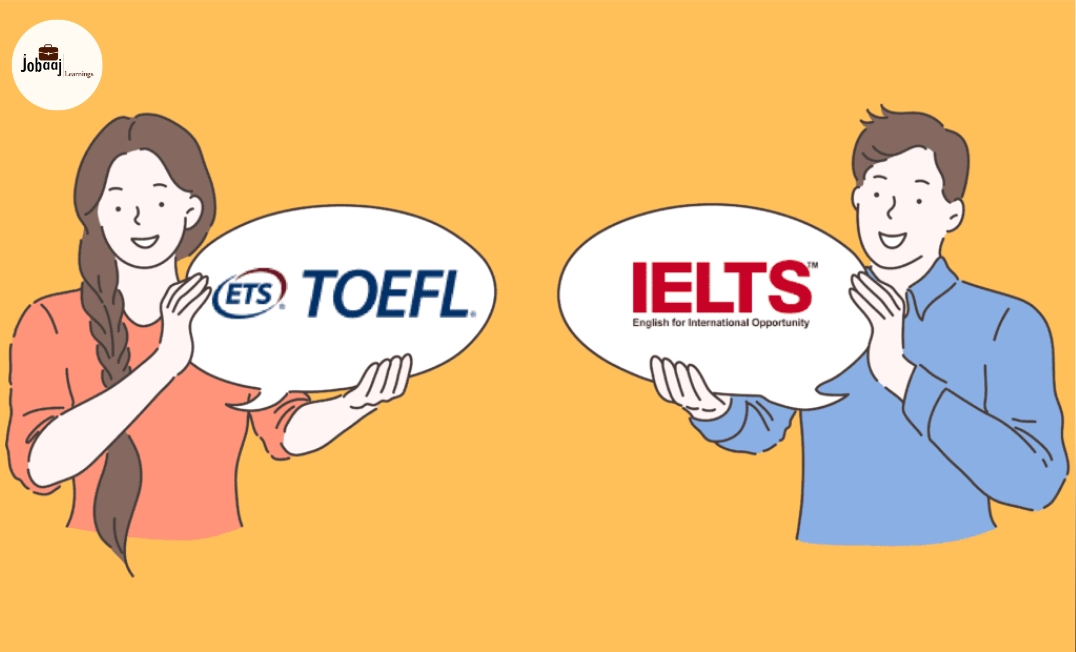
The date for your IELTS or TOEFL exam is getting closer, and the pressure is building. You’ve been hearing about these exams for years, and now it’s time to face them. Your goal? To get the score that opens doors to your dream university, your ideal job, or maybe even your new life abroad.
But as you start preparing, you quickly realize that these exams aren’t just about being fluent in English. They test your academic English skills, your writing abilities, and your ability to think critically in a second language. With so much to focus on, where do you even begin?
Don't worry, because this blog is here to guide you. Whether you're preparing for IELTS or TOEFL, we’ve got you covered. From the basics of what each exam entails to actionable tips and strategies for maximizing your score, we’ll walk you through everything you need to know to succeed in these tests.
Let’s break down how you can prepare in a way that feels manageable and motivating!
Step 1: Understand the Structure of the Exams
Before diving into preparation, it’s essential to know what you’re up against. Both IELTS and TOEFL assess your listening, reading, writing, and speaking skills. However, they do so in slightly different formats.
-
IELTS is divided into two types: Academic and General Training. For academic purposes, the test is more geared toward students applying to universities or institutions that require proficiency in academic English.
-
Listening: 4 sections with 10 questions each.
-
Reading: 3 sections with 40 questions.
-
Writing: 2 tasks (one for writing a letter/response and another for writing an essay).
-
Speaking: 3 parts, a personal interview with an examiner.
-
-
TOEFL, on the other hand, is typically focused on academic English and is mostly used for university admissions.
-
Reading: 3-4 passages with 12-14 questions each.
-
Listening: 6-9 conversations or lectures.
-
Speaking: 6 tasks that include independent speaking and speaking based on reading and listening materials.
-
Writing: 2 tasks (one independent and one integrated, involving both reading and listening).
-
Both tests have their nuances, so understanding the format thoroughly will help you design a targeted study plan. Take the time to go over the sample questions and try to familiarize yourself with the time limits and sections.
Step 2: Set a Realistic Study Schedule
We’ve all been there: procrastination sets in, and suddenly the exam is next week, and you feel unprepared. The key to avoiding this last-minute panic is planning ahead. Here’s how:
-
Determine how much time you need: Look at your exam date and assess how many weeks you have left. If you’re starting early, give yourself at least 3-6 months to prepare for the best results.
-
Set daily goals: Allocate specific hours for studying each skill. For example, you might dedicate one day to reading comprehension, another to writing practice, and so on.
-
Take breaks and reward yourself: Studying for hours without a break isn’t sustainable. Plan breaks to stay fresh, and reward yourself when you hit study milestones.
If you’re aiming for a high band score or a top TOEFL score, commit to consistent practice—this isn’t about cramming the night before. Build in study hours that feel realistic for your routine.
Step 3: Focus on Each Skill
Here’s where the real preparation begins. Each section of the exam requires specific skills, and improving in each area will ensure your overall performance is strong.
Listening
-
IELTS Listening: Practice listening to a variety of accents. You’ll encounter British, Australian, and North American accents in the exam, so make sure you’re comfortable with each.
-
TOEFL Listening: Listen to podcasts, lectures, and online discussions on academic subjects. It will help you get used to the complex vocabulary and academic tone often found in the test.
-
Tip: Watch English-language TV shows or documentaries, and take notes while listening. Practice writing down main ideas and supporting details.
Reading
-
IELTS Reading: You’ll face questions like multiple-choice, matching headings, and true/false/not given. The best way to practice is to read academic articles and practice skimming and scanning for answers.
-
TOEFL Reading: TOEFL is more about understanding context and inferences. Practice reading dense, academic texts, and focus on answering questions that test your ability to understand meaning and details.
-
Tip: Time yourself while practicing. This will help you work on speed and efficiency, which are critical for both exams.
Writing
-
IELTS Writing: Task 1 requires you to summarize a graph or chart, while Task 2 asks you to write an essay. Practice writing clear and concise paragraphs. Avoid being overly complicated in Task 1 and stick to the main points.
-
TOEFL Writing: Task 1 (integrated) asks you to summarize a reading and listening passage, while Task 2 (independent) requires you to express an opinion or solution to a problem.
-
Tip: Focus on structuring your essays with a clear introduction, body, and conclusion. Practice writing within the time limits to get used to the pressure.
Speaking
-
IELTS Speaking: The speaking test involves 3 parts—introducing yourself, answering questions on general topics, and giving a longer answer on a more specific subject. Practice speaking naturally and without hesitation.
-
TOEFL Speaking: You’ll have to speak about your opinions, as well as integrate information from reading and listening materials into your answers.
-
Tip: Record yourself speaking in English, listen to the recordings, and identify areas for improvement. Focus on clarity, fluency, and pronunciation.
Step 4: Take Practice Tests
Once you’ve spent time studying each section, it’s time to put your knowledge to the test. Practice tests help you get comfortable with the exam format, timing, and types of questions.
Here’s what you can do:
-
Take full-length practice tests to get an idea of what the actual exam will feel like.
-
Review your answers thoroughly, paying attention to mistakes and understanding why you made them.
-
Use official study materials from IELTS or TOEFL to get the most accurate reflection of the exam.
Taking practice tests also helps to reduce test anxiety. The more familiar you are with the test format, the more confident you’ll feel on exam day.
Step 5: Review and Improve Your Weak Areas
As you progress in your preparation, be sure to identify your weaknesses. Are you struggling with writing? Do you get nervous during speaking? Or maybe listening is your biggest challenge?
-
Don’t ignore your weak spots—work on them regularly.
-
Consider seeking feedback from a tutor or taking a prep course to help guide you.
It’s normal to find certain areas harder than others. What matters is persistence. Keep working, and you’ll see improvement.
Step 6: Relax and Stay Confident
It’s easy to get lost in the pressure of preparation, but remember that confidence is key. Your preparation will pay off, but it’s important to stay relaxed the day before the test.
-
Avoid cramming the night before.
-
Make sure to get a good night’s sleep.
-
Eat a healthy meal, and stay hydrated.
-
Arrive early to the test center to avoid unnecessary stress.
Conclusion
Preparing for the IELTS or TOEFL exam in 2026 doesn’t have to feel overwhelming. With a clear plan, consistent study habits, and the right resources, you can walk into the exam room with confidence and achieve your desired score.
Remember to break your preparation into manageable chunks, focus on each section of the exam, and take plenty of practice tests to track your progress. Stay calm, stay focused, and trust in your preparation. The path to success is ahead of you, and with the right approach, you’re ready to conquer the IELTS or TOEFL.
Good luck on your journey—here’s to your bright future!
Frequently asked questions
How long should I prepare for the IELTS/TOEFL exam?
It’s recommended to prepare for 3-6 months depending on your current level of English. Be sure to allocate enough time for practice tests and review of your weak areas.
What are the key differences between IELTS and TOEFL?
The main differences between IELTS and TOEFL are in their format and scoring. IELTS has a face-to-face speaking test, while TOEFL has an online speaking component. TOEFL is also more focused on American English, while IELTS is more global in terms of accent and vocabulary.
How can I improve my speaking skills for IELTS/TOEFL?
Practice speaking English regularly. Record yourself, speak with native speakers, and focus on fluency and pronunciation. Also, practice with mock speaking tests to simulate exam conditions.
Should I focus more on the speaking or writing sections?
It depends on your strengths and weaknesses. However, it’s crucial to maintain a balance in all sections. Practice all four skills—reading, writing, speaking, and listening—equally to improve your overall score.
What resources should I use to prepare for IELTS/TOEFL?
Use official study guides, take practice tests, and consider investing in preparation courses or apps. You can also join forums or study groups to stay motivated and get tips from others.
How do I stay calm and confident during the exam?
Practice relaxation techniques such as deep breathing. Get enough sleep, eat well, and focus on your preparation rather than stress. Trust in your hard work.

Join 5,00,000+ Subscribers
Be a part of our ever growing community.